Thinking about living in Mountain View while working or schooling in Hilo or Waimea? You are not alone. Many Big Island residents balance windward living with daily drives along the Hāmākua side and across the island interior. In this guide, you will get realistic time ranges, route choices, weather and safety tips, plus simple ways to plan your schedule with less stress. Let’s dive in.
Commute overview: Hāmākua, Hilo, Waimea
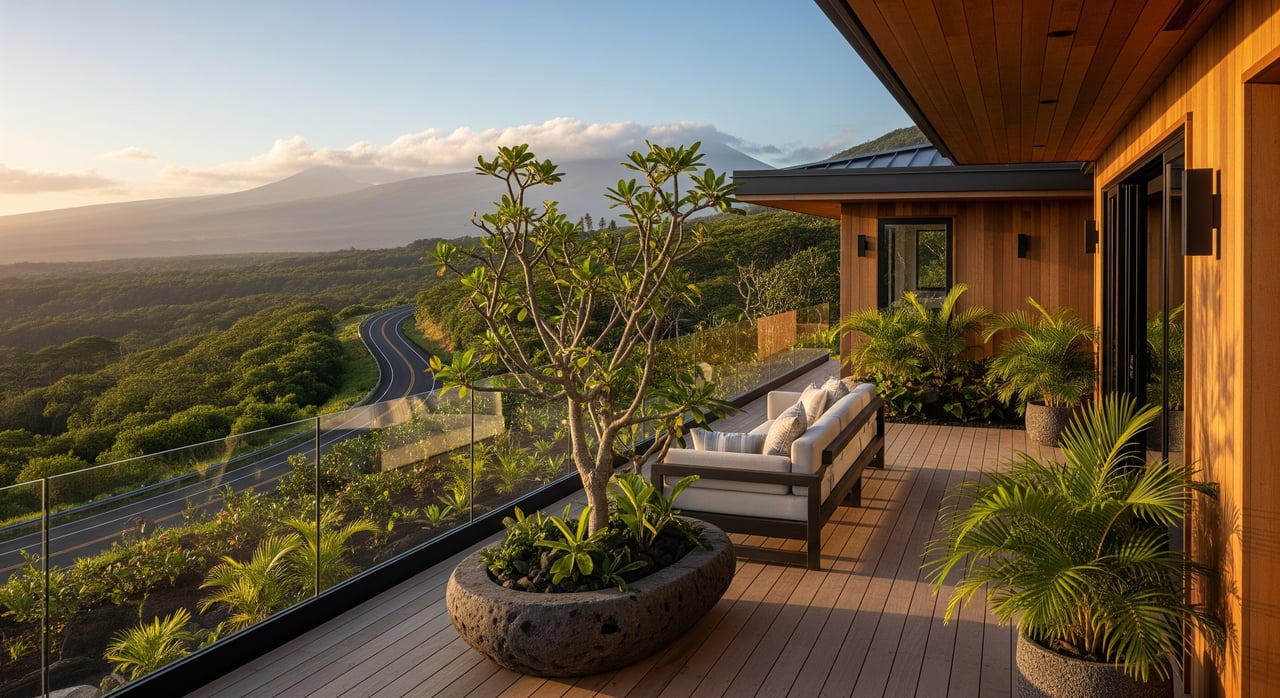
Mountain View sits on the windward slopes near the Hāmākua region. Drives to Hilo generally follow the Hāmākua Heritage Corridor on Route 19, a two-lane scenic highway with curves, narrow shoulders, older bridges, and a steady coastal feel. Approaching Hilo, speeds drop as you enter denser areas near downtown, schools, and shopping.
Trips to Waimea (Kamuela) are usually longer. Many commuters choose Saddle Road (Route 200) because it offers higher speeds and a more direct cross-island track when weather is favorable. You will also encounter altitude changes and different microclimates as you approach Waimea, which is typically drier than Hilo.
Time expectations you can trust
Exact times depend on your starting point in Mountain View, traffic, and weather. Use a map app for mileage, then apply realistic average speeds:
- Route 19 coastal sections: plan for 30–45 mph on average.
- Saddle Road sections: plan for 45–60+ mph when visibility and weather are good.
A simple formula helps: Time = distance ÷ average speed. Use ranges, not a single number.
Typical daily ranges
- Mountain View to Hilo: about 20–45 minutes in normal conditions. Add more time for heavy rain, school rush periods, and special events near town.
- Mountain View to Waimea: about 45–90 minutes depending on route, weather, and traffic. Saddle Road is often the faster choice when conditions are clear and dry.
Picking your route: pros and cons
Choosing the right route each day can save time and reduce stress. Consider these patterns.
To Hilo via Route 19
- What to expect: winding coastal stretches with scenic pull-outs, narrow shoulders, and periodic slowdowns near bridges and town centers.
- When it shines: off-peak hours and steady weather with light showers or clear skies.
- Watch for: downtown congestion during work and school start times, plus evening backups as patterns reverse.
To Waimea via Saddle Road (Route 200)
- What to expect: a higher-speed, cross-island highway that can reduce drive time when conditions are good.
- When it shines: clear days with good visibility and minimal wind.
- Watch for: fast-changing weather at elevation and microclimate shifts as you leave the windward side.
Weather and microclimates: what actually happens
Windward Hāmākua and Hilo often see trade-wind showers, while Waimea tends to be drier and sunnier. Squalls are common and can be brief but intense. They bring heavy rain, sudden slick pavement, and reduced visibility.
- Expect localized rain: it can be sunny in one town and raining hard 10 minutes away.
- Squalls often appear late morning through afternoon but can occur any time.
- Heavy, prolonged rains may produce runoff, debris, or minor flooding, and occasionally landslides in steep sections.
Practical rules for squalls:
- Reduce speed significantly when visibility drops and increase following distance.
- Avoid driving through moving water on the road.
- Plan for variability. A localized downpour can add many minutes even if most of your drive is clear.
For real-time updates, monitor county and state advisories and local weather sources. Focus on the National Weather Service Honolulu, Hawaii County Civil Defense, and Hawaii Department of Transportation. Local school and community channels also share quick road-condition tips.
Simple time planning: examples and buffers
Use the formula with conservative speeds, then add a buffer.
- Example 1: 20 miles on Route 19 at an average 40 mph → about 30 minutes.
- Example 2: 20 miles at 35 mph on coastal Route 19 plus 15 miles at 55 mph on Saddle Road → about 50 minutes total.
- Example 3: 45 miles mostly on higher-speed sections at an average 50 mph → about 54 minutes.
Daily buffer guidance:
- Add 15–30 minutes to your map estimate for routine commutes.
- For critical appointments like flights or exams, add 30–60+ minutes and confirm conditions ahead of time.
Peak times, school windows, and event traffic
Morning inbound traffic builds near Hilo as school and work start. The pattern reverses in the evening. Weekend and holiday traffic can change the flow, especially near parks and popular destinations. If your schedule allows, leave before the busiest school windows or after they clear. If you must travel during peaks, rely on your buffer and expect slower final miles.
Vehicle readiness for island driving
Wet roads, shaded bridges, and changing elevation place extra demands on your car. A little maintenance goes a long way.
Priority items:
- Tires: keep healthy tread and proper inflation for wet traction. Replace sooner if you drive rougher roads often.
- Brakes: inspect pads and rotors regularly. Mountain driving and frequent stops add wear.
- Wipers and washer fluid: replace blades often and keep the reservoir full for mud or salt film.
- Lighting and battery: squalls and fog reduce visibility, so reliable lights and a healthy battery are essential.
- Undercarriage: salt air and wet conditions accelerate corrosion. Consider regular inspections and undercoating.
Inspection rhythm:
- Quick check every 3 months for tires, brakes, lights, wipers, and fluids.
- Full service at manufacturer intervals, with extra attention to tires and brakes if you commute daily across varied terrain.
Daily-carry kit:
- Phone charger and power bank, flashlight, reflective vest/triangle or flares, basic first-aid kit, water and snacks, warm layer or poncho, towel, tire repair kit with inflator, spare and jack, jumper cables, tow strap, and a multi-tool.
- Keep fuel above one quarter tank on longer cross-island runs.
Vehicle type:
- Standard passenger cars work well for most commutes. AWD or 4WD can help in very heavy rain or on muddy side roads, but good tires and conservative driving matter most.
Scheduling strategies that work
- Know two routes: the Hāmākua coastal Route 19 and the cross-island Saddle Road. If Saddle Road is open and dry, it often delivers a faster, steadier drive to Waimea.
- Use a navigation app for live incidents and typical variability. Check before you leave and once more before you lose service in higher or remote stretches.
- Plan parking: both downtown Hilo and Waimea have concentrated parking areas. Arrive a bit earlier during peak hours.
- For regular commutes: set a standard out-the-door time that includes your buffer and stick to it. Consistency reduces stress.
Decision rules you can use tomorrow
- If your start time is fixed at 8:00 a.m., leave 15–30 minutes earlier than your map estimate on normal days and 30–60+ minutes earlier in stormy weather.
- If conditions are wet and visibility is poor, choose the route where you are most comfortable at lower speeds and where you have better shoulders, lighting, or services.
- If you are heading to Waimea and the forecast is clear, favor Saddle Road for higher average speeds and a more direct path.
- When in doubt, plan the longer time range and arrive early. You will recover minutes on the days when the road opens up.
Putting it all together
Your Mountain View commute can be smooth with a little planning. Estimate your time using conservative average speeds, add a 15–30 minute buffer, and select your route based on the day’s weather and your comfort level. Keep your vehicle in top shape for wet roads and surprise squalls. Most important, expect variability and build it into your routine. That is the difference between a rushed arrival and a calm one.
If you are weighing neighborhoods, work locations, and daily drive tradeoffs, a clear picture of your commute helps you buy with confidence. For a buyer-first approach that blends local insight with a clear, patient process, start your next step with Unknown Company.
FAQs
How early should I leave from Mountain View for Hilo?
- Add 15–30 minutes to your map time for normal days, and 30–60+ minutes during heavy rain or if you have a critical appointment.
Are trade-wind squalls common on Route 19 and do they cause delays?
- Yes. Squalls are common and can add a few minutes to half an hour or more, depending on intensity and whether there is flooding or debris.
Do I need AWD or 4WD for Hāmākua commutes?
- Not usually. Standard vehicles are fine. AWD or 4WD helps in very heavy rain or on muddy side roads, but good tires and conservative driving matter more.
Are road closures frequent between Mountain View, Hilo, and Waimea?
- Temporary closures happen during heavy storms due to downed trees, flooding, or debris. Long-term closures are less common but can occur after major events.
Is cell service reliable along the Hāmākua corridor and Saddle Road?
- Coverage is generally good near towns but can be spotty in remote coastal stretches and higher inland areas. Do not rely only on data for navigation in remote sections.